You've outgrown your home. Maybe your family is expanding and you need a primary suite before the baby arrives. Maybe you're empty nesters ready to convert unused bedrooms into a studio or in-law suite. A home addition makes sense, but one question stops most Springfield homeowners in their tracks: how do you pay for it?
The good news is you have more financing options than you might think. The challenge is knowing which vehicle fits your equity position, timeline, and risk tolerance. Some lenders treat additions like new construction. Others view them as renovations. Some release funds in draws tied to construction milestones. Others hand you a lump sum upfront.
This guide walks you through the five most common ways to finance a home addition, what lenders require, how approval timelines shake out, and what documentation John Marion Custom Homes provides to keep your project moving. Whether you're adding 400 square feet or remodeling your entire first floor, you'll know exactly which financing path aligns with your goals.
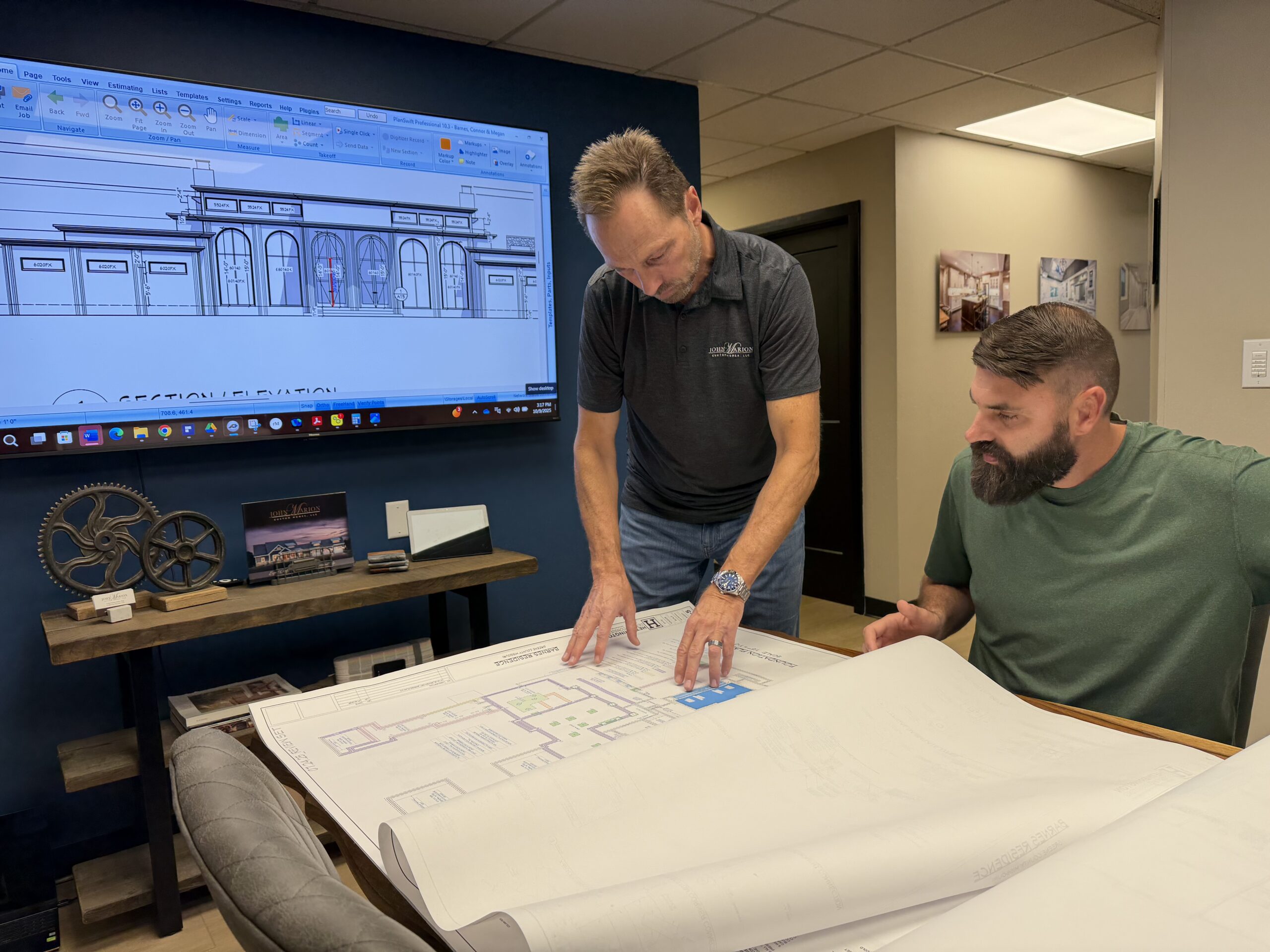
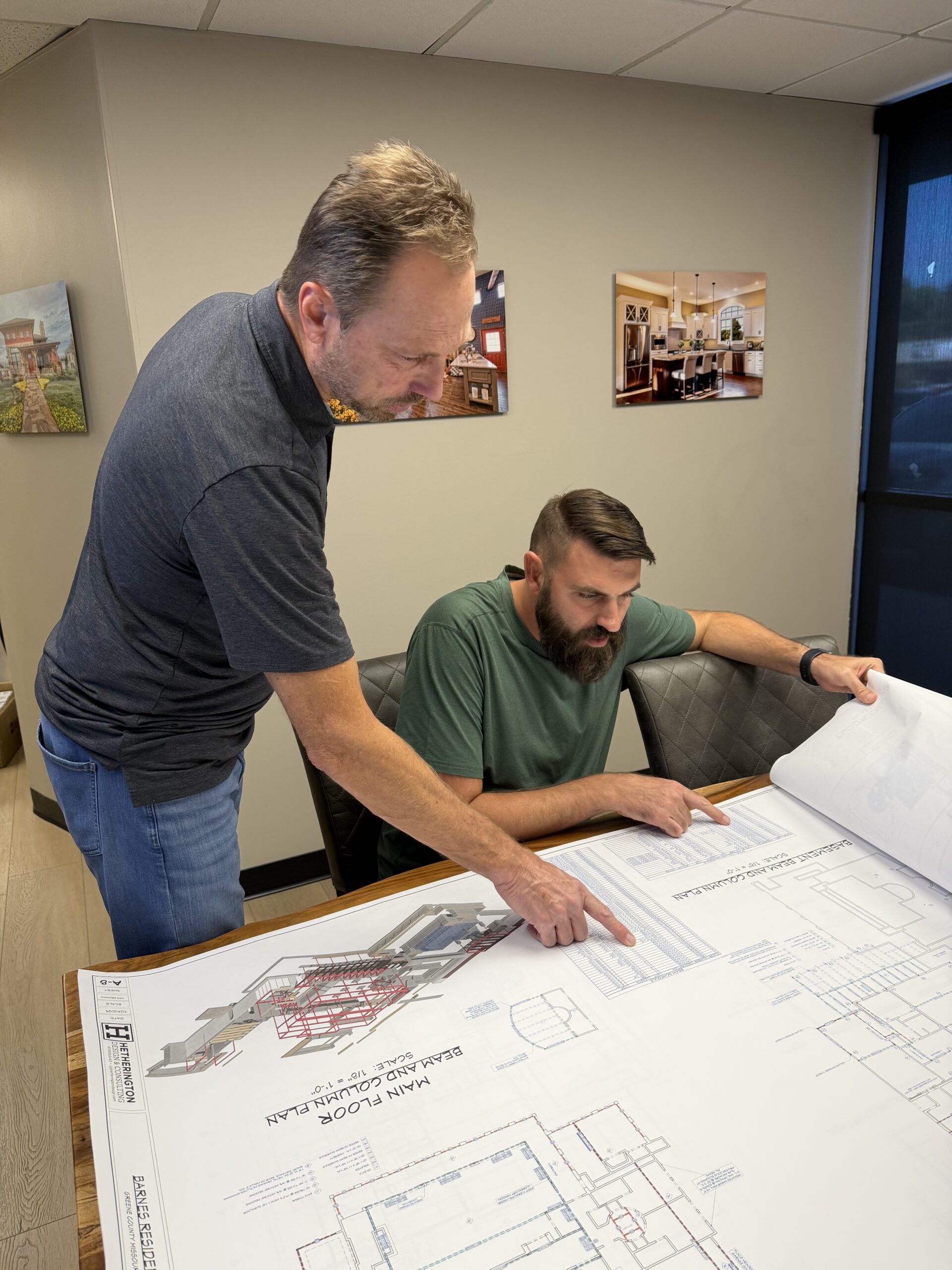
(/joplin-extreme-makeover-home-edition/) planning meeting with custom builder]
Home Equity Line of Credit (HELOC) for Additions
An HELOC works like a credit card secured by your home equity. You're approved for a maximum draw amount, and you pull funds as needed during construction. Interest accrues only on what you've borrowed, not the full approved line.
Why HELOCs Work Well for Additions
Most Springfield lenders allow you to borrow up to 85% of your home's current value minus your existing mortgage balance. If your home is worth a substantial amount and you have significant equity available, you could access a meaningful sum through an HELOC.
Here's why homeowners planning additions favor HELOCs:
- Draw flexibility: You withdraw funds as the project hits milestones (foundation complete, framing done, final inspections passed). You're not paying interest on money sitting idle.
- Faster approval: Most HELOC applications close in 2 to 4 weeks, faster than construction loans.
- Lower closing costs: Expect modest fees, far less than a full mortgage refinance.
- Interest-only payments during the draw period: For the first 5 to 10 years, you typically pay only interest, keeping monthly payments manageable while construction wraps.
HELOC Drawbacks to Consider
HELOCs carry variable interest rates tied to the prime rate. If the Federal Reserve raises rates during your project, your borrowing cost climbs. You'll also face a repayment period after the draw window closes, when principal payments kick in and your monthly obligation can jump significantly.
Lenders require an appraisal before approval. If your neighborhood has seen flat or declining values, you may not qualify for the draw amount you expected.
What John Marion Provides to Streamline HELOC Approval
Most lenders ask for a detailed scope of work, timeline, and budget breakdown before releasing HELOC funds tied to construction. We provide:
- Line-item project budget with material and labor allocations
- Construction timeline with milestone dates
- Signed contract and proof of liability insurance
- Draw schedule aligned with inspection points
Your lender uses this documentation to release funds at each stage, ensuring the work progresses before the next disbursement.
Home Equity Loan for Addition Projects
A home equity loan gives you a lump sum upfront, repaid over a fixed term (typically 10 to 20 years) at a fixed interest rate. It's secured by your home equity, just like an HELOC, but you receive all the funds at closing instead of drawing incrementally.
When a Home Equity Loan Makes Sense
If you value payment predictability and want to lock in today's rates, a home equity loan offers stability. Your monthly payment never changes, making budgeting straightforward.
Springfield homeowners often choose home equity loans when:
- They're starting construction within 30 days and want all funds available immediately to pay subcontractors and suppliers without delay.
- They prefer fixed payments over variable HELOC rates.
- Their contractor (like John Marion Custom Homes) requires staged payments but the homeowner wants to manage the full budget from day one.
Trade-Offs of Lump-Sum Equity Loans
You'll pay interest on the entire loan amount from day one, even if construction takes four months and you won't need the final 30% of funds until week 14. That's costly if your project timeline stretches or you negotiate early-pay discounts with suppliers.
Closing costs run higher than HELOCs—a meaningful percentage of the loan amount. Appraisal fees, origination charges, and title work add up.
Approval Timeline and Documentation
Plan for 3 to 5 weeks from application to closing. Lenders require:
- Recent pay stubs or tax returns (proof of income)
- Current mortgage statement
- Home appraisal
- Signed construction contract and scope of work
We provide the same detailed project documentation for home equity loans as we do for HELOCs: scope, budget, timeline, and draw schedule (even though you're receiving a lump sum, lenders want proof the funds match the project cost).
Construction-to-Permanent Loans
A construction-to-permanent loan (often called a "construction-to-perm" or "single-close" loan) combines short-term construction financing with a traditional mortgage. You close once, draw funds during the build, then convert to a standard 15- or 30-year mortgage when construction wraps.
How Construction Loans Work for Major Additions
These loans shine when you're adding significant square footage or undertaking a whole-home remodel that functionally rebuilds the interior. Lenders view the project as new construction, not a renovation.
During the construction phase (typically 6 to 12 months), you pay interest only on the amount drawn. Once the project passes final inspection and receives a certificate of occupancy (or completion for additions), the loan converts to a permanent mortgage with principal and interest payments.
Why Springfield Homeowners Choose Construction-to-Perm Loans
You avoid double closing costs. A traditional construction loan requires you to close once for the build, then refinance into a mortgage after completion (two sets of fees, two appraisals, two title searches). A single-close loan eliminates that redundancy.
Lenders also appraise your home based on its projected "as-completed" value, not its current state. If you're adding a primary suite and finishing a basement, your home's post-construction value might increase substantially. That higher appraisal unlocks more borrowing power.
Construction Loan Approval Requirements
Expect a longer approval window: 4 to 6 weeks. Lenders scrutinize both your financial profile and the builder's credentials. They'll request:
- Detailed construction plans and specifications
- Builder's license, insurance certificates, and references
- Project budget with contingency (usually 10% over estimated costs)
- Proof of homeowner's ability to cover monthly interest-only payments during construction
John Marion Custom Homes has worked with Springfield-area construction lenders since 1994. We provide the full documentation package lenders require and coordinate inspection schedules so draw requests process without delays. Our national BALA award and three decades of completed projects give lenders confidence your build will finish on time and on budget.
Cash-Out Refinancing for Home Addition Funding
Cash-out refinancing replaces your existing mortgage with a new, larger loan. You pocket the difference in cash and use it to fund your addition. If you have significant equity available, you could access a meaningful amount (minus closing costs).
When Cash-Out Refinancing Beats Other Options
This route makes sense if current mortgage rates sit below your existing rate. You're not just accessing equity, you're also lowering your monthly payment or shortening your loan term.
Springfield homeowners who bought or refinanced between 2018 and 2021 often locked in favorable rates. If today's rates are lower (or within a reasonable margin of your current rate), a cash-out refi can deliver funds for your addition without increasing your overall borrowing cost.
You'll also receive a lump sum at closing, giving you full control over the budget from day one.
Cash-Out Refi Downsides
Closing costs are a meaningful percentage of the new loan amount. Appraisal fees, origination charges, and title work add up. If rates have climbed since your original mortgage, you could end up with a higher monthly payment even after factoring in the cash-out proceeds.
You're also resetting your mortgage term. If you're 8 years into a 30-year loan and you refinance into a new 30-year note, you've just added 8 years of payments. Some homeowners offset this by refinancing into a 15- or 20-year term, but that raises the monthly obligation.
Approval Timeline and Lender Requirements
Plan for 30 to 45 days from application to closing. Lenders require the same documentation as a purchase mortgage:
- Credit report (most lenders want a strong credit score for cash-out refis)
- Income verification (W-2s, tax returns, or 1099s if self-employed)
- Debt-to-income ratio within acceptable limits
- Appraisal showing sufficient equity
We provide your lender with the construction contract, scope of work, and budget so the appraiser understands how the cash-out funds will be used. Some lenders require proof that proceeds are earmarked for home improvement, not other expenses.
Portfolio Loans and Local Credit Unions
Portfolio loans are held by the lender instead of sold to Fannie Mae or Freddie Mac. Because the lender keeps the loan on its books, it can set its own underwriting rules. Local Springfield credit unions and community banks often offer portfolio loans tailored to home addition projects.
Why Portfolio Loans Offer Flexibility
If your financial profile doesn't fit conventional loan guidelines (self-employed income, recent credit event, debt-to-income considerations), a portfolio lender may still approve you. They'll look at the full picture: your relationship with the institution, the strength of the project, and the builder's track record.
Portfolio lenders also move faster. Without Fannie Mae overlays or automated underwriting systems, they can approve loans in 2 to 3 weeks.
Trade-Offs of Portfolio Lending
Interest rates typically run a meaningful premium over conventional loans. Lenders charge a premium for the flexibility and risk they're absorbing.
Loan amounts may be capped. Some credit unions limit portfolio loans to specific thresholds, which may not cover a large addition or whole-home remodel.
Building Lender Confidence with the Right Documentation
Local lenders want to see that your builder has deep roots in the community and a proven process. John Marion Custom Homes has been building in Springfield, Nixa, Ozark, and surrounding areas since 1994. We provide portfolio lenders with:
- References from past clients and past lender relationships
- Proof of liability and builder's risk insurance
- Detailed scope, timeline, and budget
- Evidence of proper permitting and code compliance
Many Springfield-area credit unions have financed our projects before. That familiarity shortens approval timelines and smooths the draw process.
Comparing Financing Timelines and Costs

Every financing vehicle has trade-offs. Here's how they stack up:
- HELOC: 2–4 week approval, modest closing costs, variable rate, draw flexibility, interest-only payments during construction.
- Home Equity Loan: 3–5 week approval, meaningful closing costs, fixed rate, lump sum at closing, immediate interest on full amount.
- Construction-to-Perm Loan: 4–6 week approval, meaningful closing costs, single close, draws tied to milestones, converts to permanent mortgage.
- Cash-Out Refinance: 30–45 day approval, meaningful closing costs, lump sum at closing, resets mortgage term, rate-dependent savings.
- Portfolio Loan: 2–3 week approval, varies by lender, higher rates, flexible underwriting, capped loan amounts.
Your choice depends on how much equity you hold, how quickly you need funds, whether you prefer fixed or variable rates, and how long you plan to stay in the home.
What Lenders Want to See Before Approving Addition Financing
Regardless of which financing path you choose, every lender will ask for the same core documentation about your project:
Project Scope and Specifications
Lenders want to know exactly what you're building. A one-page summary that says "adding a bedroom" won't cut it. They need:
- Square footage of the addition
- Foundation type and specifications
- Framing, roofing, and exterior finish materials
- Mechanical, electrical, and plumbing upgrades
- Interior finishes (flooring, cabinetry, countertops, fixtures)
We provide a detailed scope of work document that breaks down every phase of your project. Lenders use this to verify that your loan amount matches the true cost of construction.
Construction Budget and Contingency
Your lender will require a line-item budget showing material costs, labor, permits, inspections, and contingency (typically 10% of the total project cost). They want proof that you're not overborrowing or underfunding the project.
John Marion Custom Homes delivers a transparent budget during the preconstruction phase. We itemize every expense so you and your lender see exactly where each dollar goes.
Builder Credentials and Insurance
Lenders verify that your builder is licensed, insured, and experienced. They'll request:
- Contractor license number and expiration date
- General liability insurance certificate
- Builder's risk insurance (covers the project during construction)
- References or past project photos
We've been building custom homes and additions in Southwest Missouri since 1994. Our national BALA Silver Award, collaborative relationships with architects and designers, and decades of completed projects give lenders the confidence they need to approve your financing quickly.
Construction Timeline and Draw Schedule
Lenders release funds in stages (draws) tied to construction milestones. Typical draw schedules include:
- Foundation complete and inspected (15–20% of loan)
- Framing, roofing, and rough-ins complete (30–40%)
- Drywall, insulation, and mechanicals installed (20–30%)
- Final finishes and inspections passed (remaining balance)
We coordinate inspection schedules with your lender so draw requests process without delays. You'll never wait on funds because of missing paperwork or incomplete inspections.
How John Marion Custom Homes Simplifies the Financing Process
We've guided hundreds of Springfield families through the financing process since 1994. Here's how we remove the stress and guesswork:
Preconstruction Consultation
Before you apply for financing, we sit down to discuss your project scope, budget, and timeline. We'll explain which financing vehicles align with your equity position and goals, and we'll provide a preliminary budget you can share with lenders during the prequalification phase.
Lender-Ready Documentation
Once you choose a financing path, we prepare the full documentation package your lender requires: scope of work, detailed budget, construction timeline, draw schedule, insurance certificates, and references. Most lenders receive everything they need in a single submission, shortening approval timelines by days or even weeks.
Transparent Communication Throughout the Build
Your lender will require periodic inspections before releasing each draw. We schedule these inspections proactively and notify you and your lender as each milestone approaches. You'll never scramble to arrange a last-minute site visit or wonder why a draw hasn't been released.
Energy Efficiency and Long-Term Value
Many Springfield homeowners finance additions with an eye toward long-term value. We specialize in energy-efficient construction that reduces your utility costs and qualifies for certain green financing incentives. If you're pursuing a construction-to-perm loan, energy upgrades can boost your home's appraised "as-completed" value, unlocking additional borrowing power.
Our why JMCH page explains how our proven process and commitment to quality, integrity, and collaboration ensure your project stays on budget and on schedule from start to finish.
Common Financing Mistakes Springfield Homeowners Make
We've seen these missteps derail projects or inflate costs unnecessarily:
Underestimating Total Project Costs
Homeowners focus on the builder's quote but forget permit fees, utility connection charges, landscaping restoration, temporary housing if the addition impacts livable space, and contingency for unforeseen conditions (old wiring, foundation repairs, etc.). Budget at least 10% above your builder's estimate.
Choosing the Lowest Rate Without Comparing Terms
An HELOC might offer a lower initial rate than a fixed home equity loan, but if rates climb meaningfully during your build, your savings evaporate. Always compare the total cost of borrowing over the life of the loan, not just the starting rate.
Waiting Until Construction Starts to Apply for Financing
Lenders need 2 to 6 weeks to approve and close your loan. If you sign a construction contract before securing financing, you risk delays, lost deposits, or scrambling for a suboptimal loan product. Apply for financing during the design phase, not after you've committed to a start date.
Skipping the Prequalification Step
Prequalification (a soft inquiry that estimates how much you can borrow) costs nothing and takes 15 minutes. It reveals whether you have enough equity and income to qualify before you invest time in detailed plans and contractor bids. If you don't prequalify, you may discover midway through planning that your dream addition exceeds your borrowing capacity.
Ignoring the Builder's Lender Relationships
Builders who've worked in the market for decades have relationships with local lenders who understand construction timelines, draw schedules, and risk profiles. Choosing a lender your builder has never worked with can slow approvals and create communication gaps. Ask your builder which lenders they recommend before you apply.
Our about us page details our 30-year history in Springfield and the trust we've built with families, architects, designers, and local lenders across Southwest Missouri.
Frequently Asked Questions
How much equity do I need to finance a home addition?
Most lenders require at least 15% to 20% equity after accounting for the new loan. If your home holds substantial value and you have a reasonable mortgage balance, you likely have sufficient equity. Lenders typically let you borrow up to 80% to 85% of your home's value, so homeowners with strong equity positions can access meaningful amounts for an addition without exceeding safe loan-to-value ratios.
Can I finance a home addition if I'm self-employed?
Yes, but you'll need to provide two years of tax returns, a current profit-and-loss statement, and possibly business bank statements. Portfolio loans from local credit unions often offer more flexibility for self-employed borrowers than conventional loans. Your debt-to-income ratio and credit score matter more than your employment type.
How long does it take to get approved for a construction loan?
Construction-to-permanent loans typically take 4 to 6 weeks from application to closing. HELOCs and portfolio loans can close in 2 to 4 weeks. Cash-out refinances take 30 to 45 days. The timeline depends on how quickly you provide documentation and whether your lender requires a full appraisal or can use an automated valuation model.
Do I need to pay interest on the full loan amount during construction?
It depends on the loan type. With an HELOC or construction loan, you pay interest only on the amount you've drawn. With a home equity loan or cash-out refinance, you pay interest on the full loan amount from day one, even if construction takes months and you haven't spent all the funds yet.
Take the Next Step Toward Your Springfield Home Addition
You now know the five most common ways to finance a home addition, what lenders require, and how approval timelines and draw schedules work. The next step is matching your equity position, timeline, and budget to the right financing vehicle.
John Marion Custom Homes has been building one-of-a-kind custom homes and additions across Springfield, Nixa, Ozark, and surrounding areas since 1994. We provide the detailed documentation your lender needs, coordinate inspections to keep draws on schedule, and deliver the transparent communication that takes the stress out of financing and building.
Schedule a preconstruction consultation to discuss your project scope and financing timeline. We'll walk you through the options, answer your questions, and provide a preliminary budget you can take to lenders with confidence. Your family deserves more space, and we'll make sure the financing process doesn't stand in the way.
Contact Us today or call (417) 356-3500 to start the conversation.
For industry guidance, see Protect Your Family from Sources of Lead | US EPA.