You've found the perfect lot. You've sketched your dream floor plan on napkins. You're ready to build a custom home in Springfield, MO.
But here's what most families don't realize: the mistakes that cost you the most happen before the first shovel hits dirt. In 30 years of custom home building across Southwest Missouri, John Marion Custom Homes has seen bright, capable homeowners stumble over the same seven pitfalls. Each one adds months to your timeline or thousands to your budget (sometimes both). The good news? Every single mistake is avoidable when you know what to watch for.
Mistake #1: Underestimating Site Work in Missouri's Clay Soil
Your gorgeous wooded lot in Nixa or that sloped property overlooking the Ozark hills looks perfect. Then your builder drops the site work estimate and your stomach drops with it.
Why Southwest Missouri Site Prep Runs Higher
Missouri's expansive clay soil doesn't behave like the sandy loam you'll find in other states. It swells when wet and shrinks when dry. That means deeper footings, more comprehensive drainage systems, and soil stabilization work that wasn't in your initial mental budget.
We've worked sites in Springfield, Ozark, and Branson where rock excavation alone added two weeks and significant cost to the foundation phase. That's not a builder padding the estimate. That's geology.
The Better Path Forward
Bring your builder into the land search before you close. A 30-minute site walk with an experienced custom home builder can flag drainage issues, rock formations, setback challenges, and access problems that'll cost you later. John Marion Custom Homes offers pre-purchase consultations for exactly this reason. You'll know what you're buying, and your budget will reflect reality from day one.
Mistake #2: Skipping Energy Efficiency Specs You Can't Retrofit Later
You're focused on granite countertops and hardwood species. Meanwhile, the most expensive long-term decision you'll make is happening in the walls, attic, and mechanical room.
What Gets Locked in During Construction
Insulation depth, air sealing details, HVAC sizing, window performance ratings, and ductwork design all get decided during framing and rough-in. Try upgrading from code-minimum insulation to a high-performance envelope after drywall goes up? You're looking at a gut renovation.
Springfield's humid summers and cold winters mean your HVAC system runs hard. An undersized or poorly designed system cycles constantly, spikes your utility bills, and wears out faster. Those energy costs compound every single month you live in the home.
The Better Path Forward
Lock in energy performance during design. Spray foam insulation in the attic, properly sized and zoned HVAC, and high-performance windows cost more upfront. They pay you back in comfort and lower bills for the next 30 years. Why JMCH John Marion Custom Homes builds energy efficiency into every project because we've watched families regret the shortcuts a decade later.
According to energy efficiency standards, homes built to modern energy standards can cut heating and cooling costs by 20 to 40 percent compared to code-minimum construction.
Mistake #3: Choosing Your Builder on Price Alone
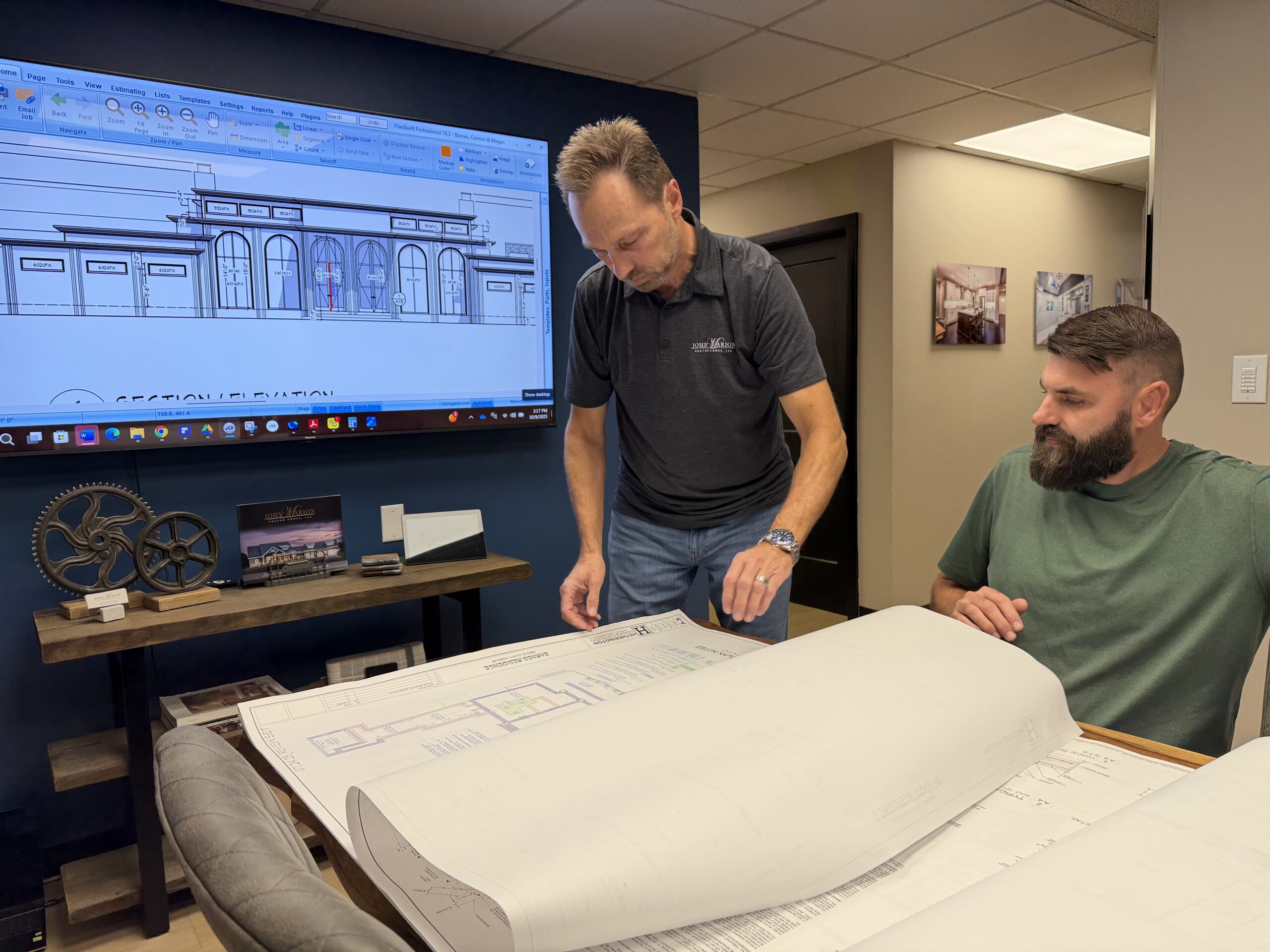
Three bids land on your kitchen table. One comes in substantially lower than the others. You're tempted to sign.
Stop.
Why the Low Bid Costs More
That low number usually means one of three things: the builder missed something in the estimate, they're using subcontractors who cut corners, or they're planning to nickel-and-dime you with change orders once you're committed.
Custom home building in Springfield isn't a commodity. You're not buying identical widgets. You're entering a 12-month relationship with someone who'll make a thousand decisions that affect your home's value, durability, and livability. The builder who goes silent for two weeks when you text a question? The one whose subs leave job sites trashed? That's who you get when you optimize for price.
The Better Path Forward
Interview at least three builders. Tour their active job sites (not just finished showpieces). Talk to past clients. Ask about their communication process, how they handle surprises, and what warranties they provide. John Marion Custom Homes has been building one-of-a-kind custom homes since 1994 because we treat your resources like our own and keep you informed at every decision point. That's worth more than a low bid that evaporates into change orders.
Mistake #4: Rushing Your Land Purchase Without Builder Input
You fall in love with a property and close in 30 days. Then you bring in a builder and learn the lot can't support your floor plan, the setbacks kill your garage orientation, or the septic permit will take six months.
What Builders Catch That Realtors Don't
Realtors excel at market conditions and negotiations. But they don't calculate cut-and-fill ratios, interpret soil boring reports, or know which HOA architectural review boards approve metal roofs. Your custom home builder does this every day.
We've walked properties in Willard, Republic, and Rogersville where the "perfect lot" had easements running exactly where the homeowner wanted their master suite. That's a significant redesign problem that a pre-purchase consultation would have caught.
The Better Path Forward
Make your land offer contingent on builder approval. Invest in a consultation before you invest substantially in dirt. The right builder will tell you what the land can support, what permits you'll need, and what site work will actually cost. You'll negotiate from knowledge instead of hope.
Mistake #5: DIY-ing Selections Without Professional Guidance
You've got a Pinterest board with 347 pins. You're confident in your taste. But when it's time to pick tile, fixtures, flooring, lighting, and paint for 47 different decisions, decision fatigue hits hard.
Where Selection Mistakes Hurt Most
Mismatched undertones between your flooring and cabinetry. Tile that looks stunning in the showroom but reads busy in your actual bathroom. Light fixtures scaled for a different ceiling height. These aren't catastrophic, but they nag at you every time you walk through the room.
Worse: some selections have structural implications. That farmhouse sink you love? It requires different cabinet construction. The oversized shower tile? It changes waterproofing details. Make those calls too late in the process and you're paying for rework.
The Better Path Forward
Work with design professionals early. John Marion Custom Homes collaborates with a network of architects and designers who guide selections in a logical sequence, flag conflicts before they're built, and help you allocate your budget to the details that matter most to your family. Architects & Designers You'll still get the home that reflects your style. You just won't second-guess the cabinet hardware for the next decade.
Mistake #6: Ignoring Resale Value in Your "Forever Home"
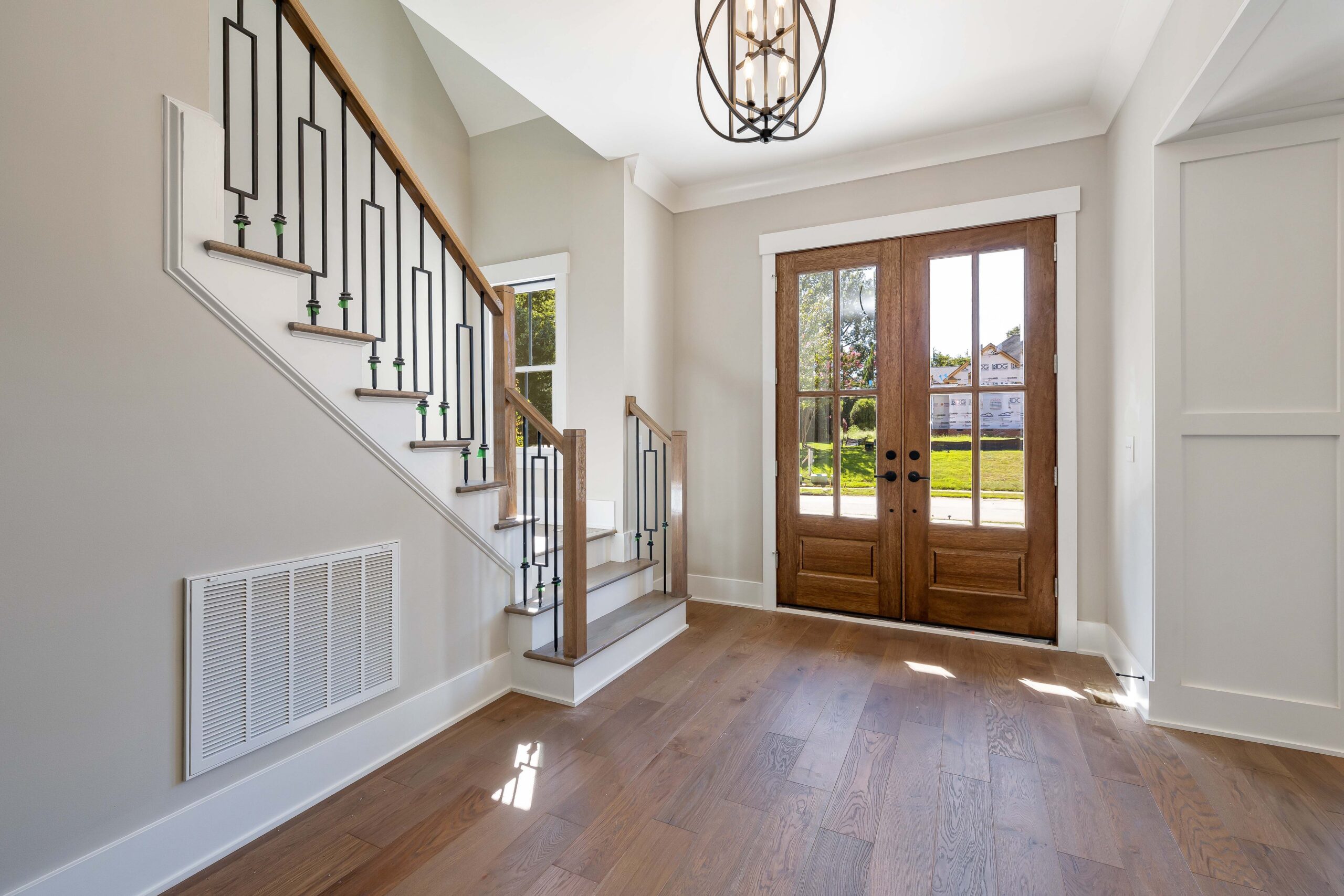
You're building a custom home you plan to live in for 30 years. Resale feels irrelevant. But life happens. Job transfers, family changes, health issues, and opportunities appear when you least expect them.
The Choices That Limit Your Market
Extremely personal design choices (bright purple exterior paint, a kitchen with no island, a five-car garage on a modest 1,800-square-foot home) shrink your buyer pool if you ever need to sell. That doesn't mean build a boring house. It means balance personal expression with broad appeal in the bones of the home.
Location matters too. A custom home in an established Springfield or Nixa neighborhood surrounded by similar price points will always sell faster than an outlier property, no matter how stunning the finishes.
The Better Path Forward
Invest in timeless quality where it counts: floor plan flow, natural light, storage, and outdoor living space. Save your personality for paint, lighting, and decor you can change. A national BALA award-winning builder like John Marion Custom Homes thinks in decades, not trends. We'll tell you when a choice limits resale and when it's worth it anyway.
Mistake #7: Skipping the Budget Contingency (or Draining It in Month Two)
Your builder hands you a line-item budget. Everything's accounted for. You're fully funded. Then the city requires an additional stormwater feature. Lumber prices jump. You fall in love with a light fixture that wasn't in the allowance.
Why Every Custom Home Needs a Cushion
Custom home building isn't manufacturing. You're creating a one-off product on an outdoor job site in Missouri weather, with materials whose prices fluctuate and jurisdictions whose requirements evolve. Change happens. The question isn't whether you'll need your contingency. It's whether you budgeted one at all.
Most experienced builders recommend a 10 to 15 percent contingency for true custom builds. That's not pessimism. It's 30 years of watching projects navigate the gap between plan and reality.
The Better Path Forward
Build the cushion into your budget from day one. Treat it as untouchable unless a genuine need arises (not as a slush fund for upgrades you skipped during selections). Contact Us John Marion Custom Homes walks you through realistic budget planning during your initial consultation so you're never caught between a necessary change and an empty contingency line.
If you do tap the contingency, make deliberate decisions with your builder about priority. Some changes add lasting value. Others just looked good in the moment.
Frequently Asked Questions
What's the biggest mistake first-time custom home builders make in Springfield?
Underestimating site preparation costs. Missouri's clay soil, rolling topography, and drainage requirements mean site work often represents a meaningful percentage of your total project budget. Families who skip the pre-purchase builder consultation frequently face sticker shock when the excavation bid arrives.
How much should I budget for a contingency when building a custom home?
Plan for a meaningful contingency—typically 10 to 15 percent of your total construction budget. This covers unforeseen site conditions, material price fluctuations, minor design changes, and jurisdiction requirements that surface during permitting.
Should I buy land before I choose a custom home builder?
No. Bring your builder into the land evaluation before you close. An experienced builder will assess soil conditions, topography, setbacks, utility access, and permit requirements that directly affect whether your floor plan fits the site and what your true all-in cost will be. Making an offer contingent on builder approval protects your investment.
Is it worth paying more for energy efficiency during construction?
Absolutely. Energy performance features like spray foam insulation, high-performance windows, and properly designed HVAC systems cost more during construction but pay you back in lower utility bills and better comfort for the entire life of the home. Retrofitting these features after construction costs significantly more and often isn't feasible without major demolition.
Building a custom home in Springfield, Nixa, Ozark, or anywhere across Southwest Missouri should be exciting, not stressful. When you know the seven mistakes that derail timelines and drain budgets, you can avoid them. You'll make better decisions about your land, your builder, your specifications, and your budget. You'll end up in a home that fits your family, performs efficiently, and holds its value.
John Marion Custom Homes has guided families through this process since 1994. We've seen every curveball Missouri dirt and weather can throw. We've watched families thrive in homes built the right way and regret the shortcuts that seemed smart at the time. About Us Our process takes the guesswork out of custom home building by keeping you informed, protecting your investment, and delivering excellence at every stage.
Ready to start your custom home journey without the costly mistakes? Schedule a no-pressure builder consultation with John Marion Custom Homes. We'll walk through your vision, your site, and your budget to create a roadmap that gets you into the home you've been dreaming about. Call (417) 356-3500 or reach out online to get started today.